


NEWS
Categories List
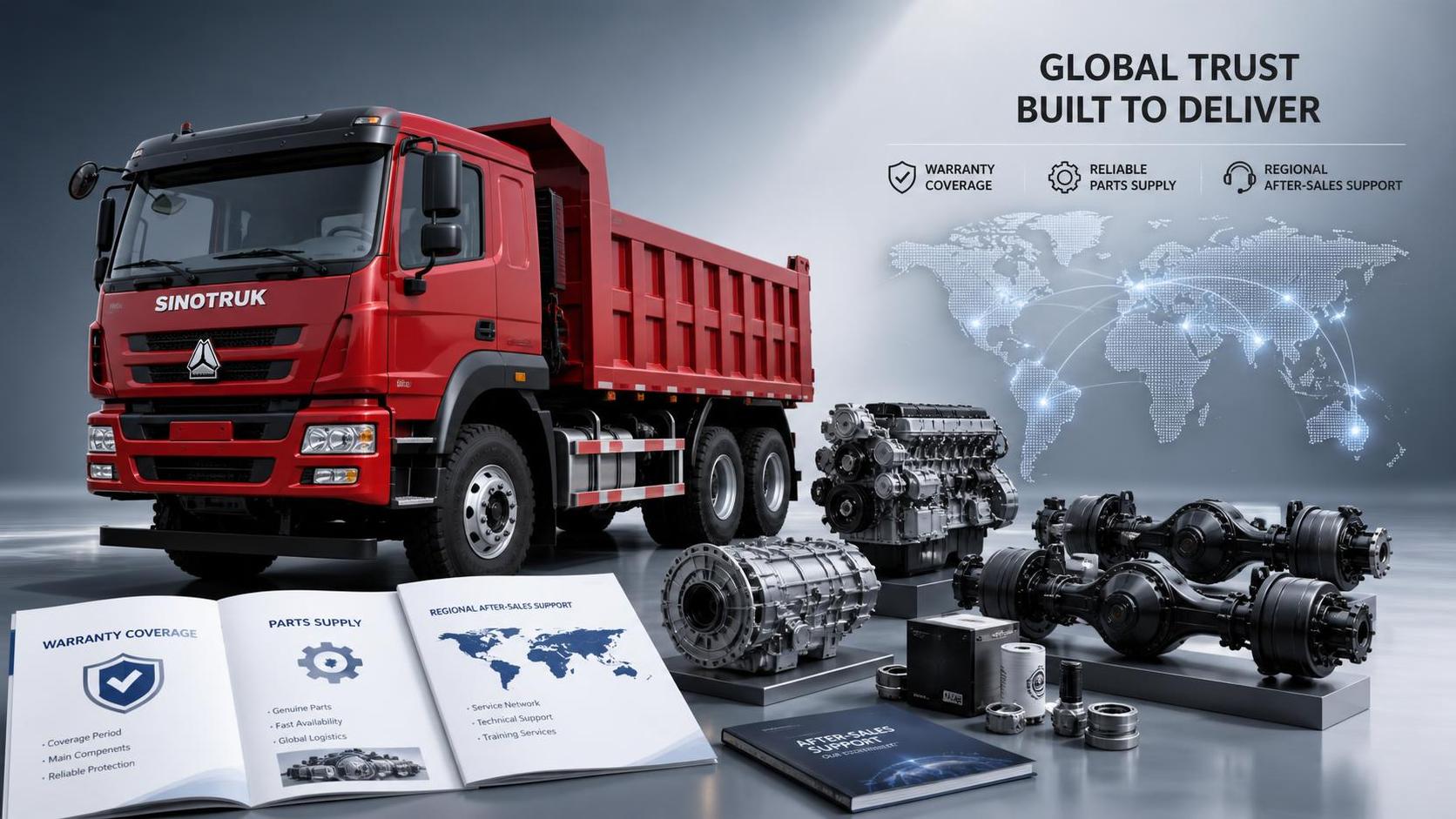
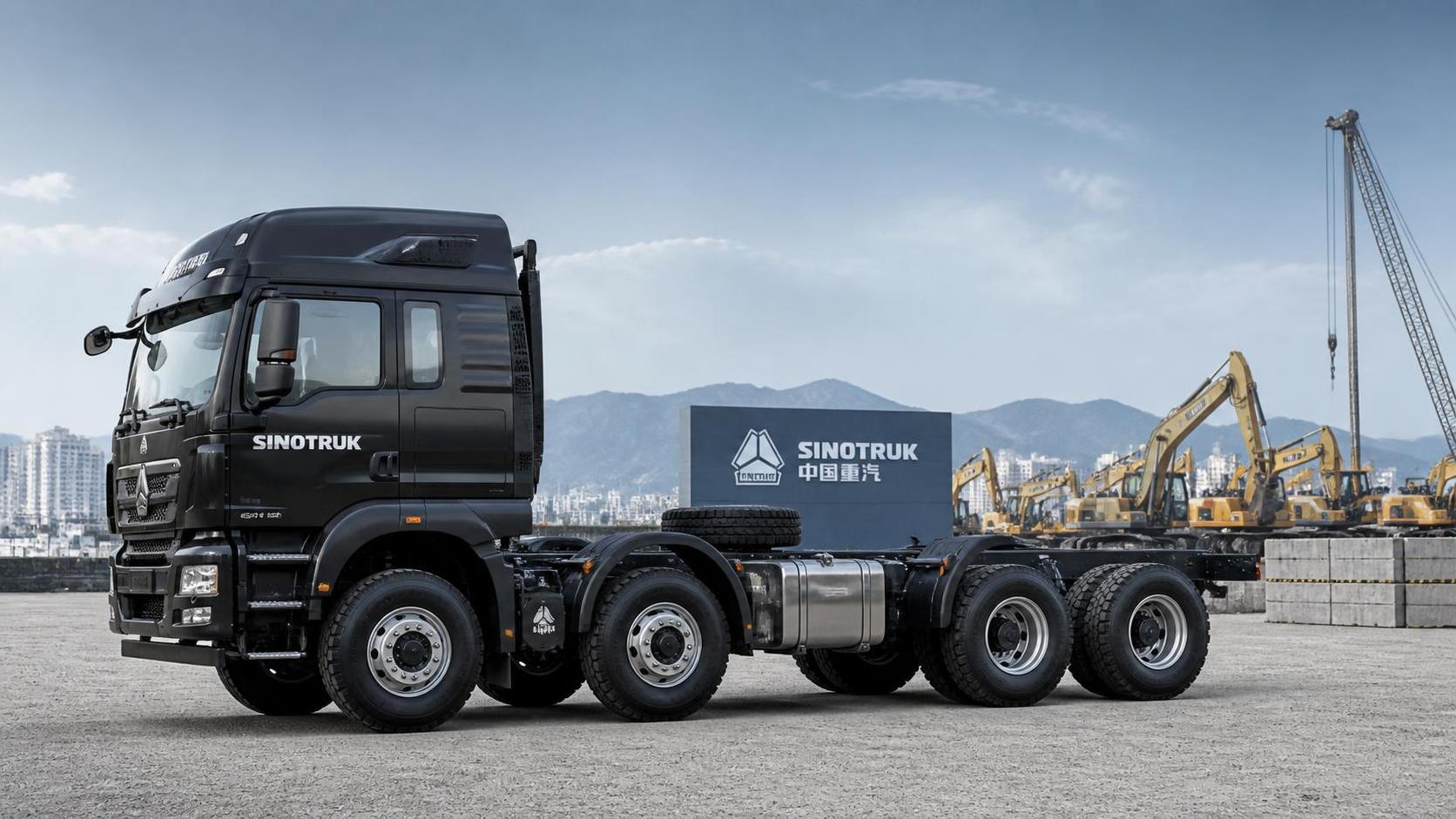

Before committing to a bulk fleet order, procurement teams need more than competitive pricing—they need confidence in long-term parts supply. For companies evaluating Sinotruck trucks, checking Sinotruck parts availability is essential to reduce downtime, control maintenance costs, and keep operations running smoothly. This guide outlines the key factors buyers should review before purchase, from supplier support and inventory depth to after-sales service and replacement lead times.
For procurement buyers, the core question is simple: can your supplier keep your trucks working after delivery? Price matters, but weak parts support can quickly erase any upfront savings.
When assessing Sinotruck trucks for fleet purchase, the most valuable checks are practical ones. Buyers need to verify stock depth, parts coverage, lead times, service support, and the supplier’s ability to support the exact models ordered.
Why Sinotruck Parts Availability Matters Before You Buy
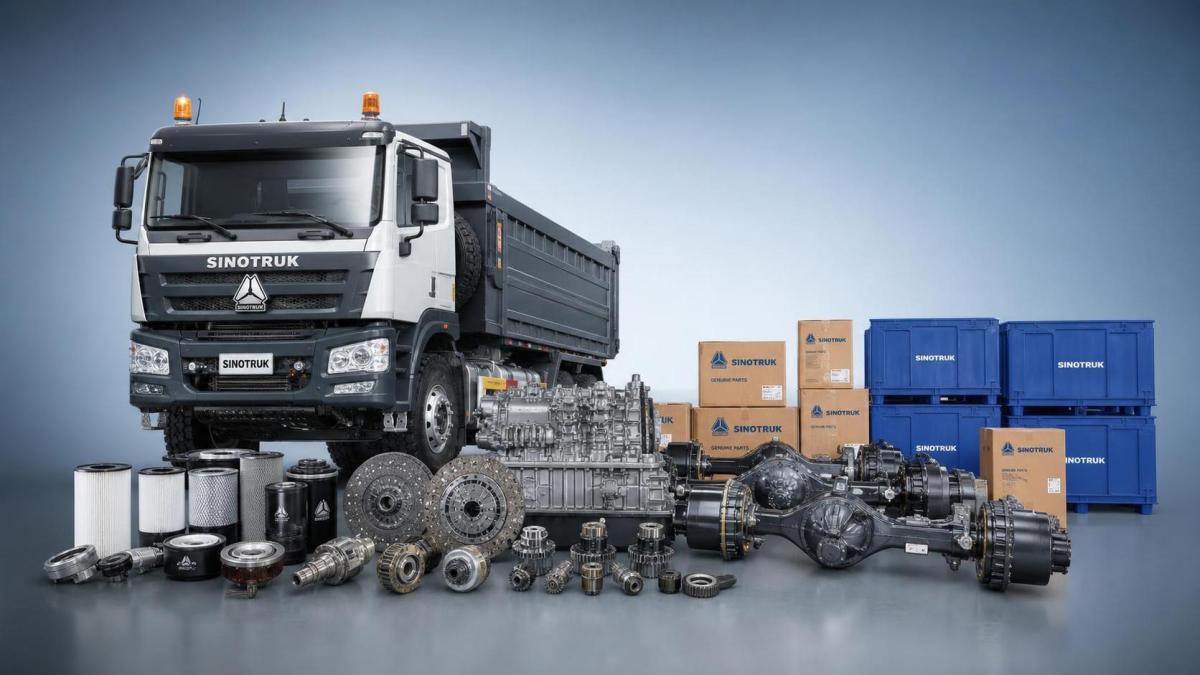
In fleet operations, downtime is usually more expensive than the original purchase price difference. A truck waiting for filters, brake parts, or transmission components can interrupt delivery schedules and reduce asset utilization.
That is why Sinotruck parts availability should be treated as a procurement risk issue, not only a maintenance issue. Strong parts access supports predictable operations, lower emergency purchasing, and better lifecycle cost control.
For engineering vehicles and commercial transport fleets, spare parts availability also affects workshop planning. If common wear parts are easy to source, internal maintenance teams can work faster and schedule service more efficiently.
Which Parts Should Procurement Teams Check First
Not all spare parts have equal importance during pre-purchase evaluation. Procurement teams should first review fast-moving maintenance parts and high-failure components that directly affect vehicle uptime.
Start with filters, brake linings, clutch parts, suspension items, seals, lights, belts, and electrical components. Then move to bigger assemblies such as engine parts, gearbox parts, axles, and steering systems.
It is also important to confirm availability for model-specific parts. Sinotruck trucks may share some common components, but certain cabin, chassis, or drivetrain parts can vary by configuration and export market.
A supplier that says parts are available in general terms is not enough. Buyers should request a specific list matched to the intended fleet models, engine types, and technical specifications.
How to Evaluate a Supplier’s Real Parts Support Capacity
Procurement teams should look beyond brochures and ask for evidence. The key is whether the supplier can support the fleet consistently, not whether they can fulfill a single urgent shipment.
Ask how much Sinotruck parts inventory is held regularly, which items are stocked locally, and which items depend on factory ordering. This immediately shows the likely response speed after delivery.
Lead time matters as much as inventory breadth. Buyers should compare standard delivery times for routine maintenance parts versus critical replacement parts needed after breakdown or accident damage.
It is also useful to review the supplier’s export experience, packaging standards, and shipment coordination ability. Poor documentation or weak logistics can delay parts even when stock technically exists.
Sinosea Vehicles Imp & Exp CO., LTD, established in Jinan in 2015, operates in complete vehicles, engineering machinery, spare parts, parts assembly, equipment, and after-sales support, which is relevant for buyers seeking integrated supply capability.
What After-Sales Service Questions Should Be Asked
Reliable parts supply is closely linked to after-sales service. Procurement teams should ask who handles technical identification, warranty coordination, and replacement recommendations when a part number is unclear.
Many purchasing delays happen because the buyer and supplier cannot quickly confirm the correct part. Strong technical support reduces ordering errors, repeat shipments, and unnecessary vehicle downtime.
Buyers should also ask whether the supplier can provide exploded diagrams, VIN-based identification support, maintenance guidance, and fast response for urgent cases. These service details often matter more than catalog size.
If the fleet will operate in demanding environments, ask about preventive parts planning as well. A capable supplier should help estimate consumables and critical spares before the trucks enter service.
How Bulk Buyers Can Reduce Long-Term Supply Risk
The best purchasing decision is usually not the lowest truck price. It is the package that gives the fleet the best long-term balance of availability, service continuity, and operating cost control.
Before signing the order, buyers should request a recommended spare parts package for the first service period. This helps reduce early downtime and gives the maintenance team immediate operational readiness.
It is also wise to confirm whether the supplier can support scheduled replenishment. For larger fleets, repeat supply planning is often more valuable than one-time parts quotations.
Another good practice is to define response expectations in writing. Agreed lead times, support contacts, and replacement procedures create accountability and reduce disputes after vehicle delivery.
Final Procurement Takeaway
When evaluating Sinotruck trucks, parts support should be checked with the same discipline as price, specifications, and delivery schedule. Sinotruk parts availability directly affects uptime, maintenance efficiency, and total fleet operating cost.
The strongest suppliers are those that can demonstrate inventory depth, technical support, clear lead times, and dependable after-sales service for the exact truck models being purchased. That is what procurement teams should verify before placing a bulk order.
In practical terms, buyers should leave the evaluation process with a clear answer to three questions: what parts are available, how fast they can arrive, and who will solve problems when urgent replacements are needed.
If those answers are clear and well supported, the fleet purchase decision becomes far more secure, both operationally and financially.
Leave A Reply