


NEWS
Categories List
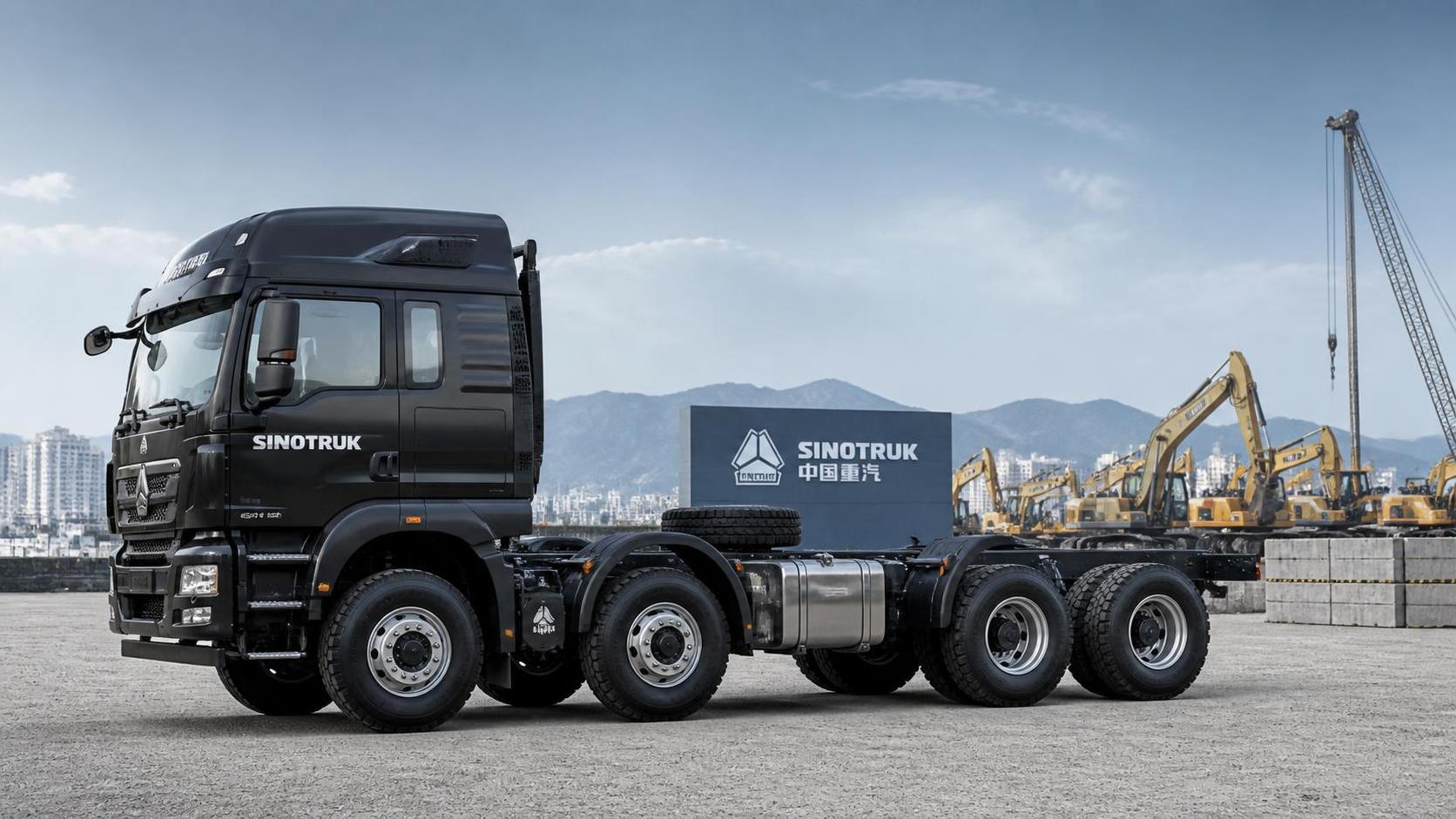
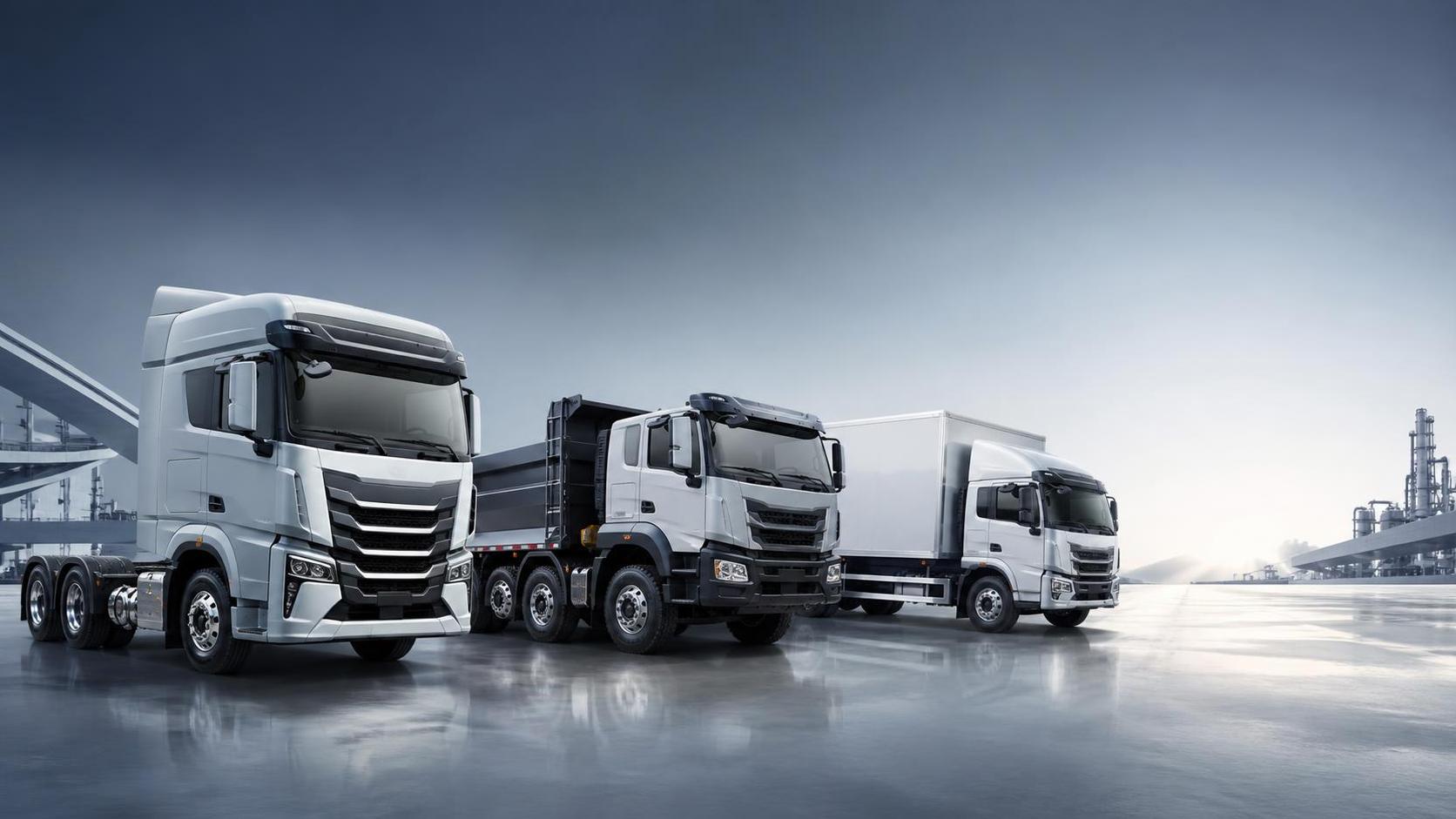
As demand rises across emerging truck markets, buyers are not only comparing brands on price. They are looking at whether a truck can handle mixed road conditions, whether parts can be sourced without long downtime, and whether the product line fits the local freight or construction mix. That is where Sinotruck tends to stay in the conversation. For many distributors and agents, it is not simply a low-cost option; it is a brand that often sits in the workable middle ground between acquisition cost, operating practicality, and serviceability.
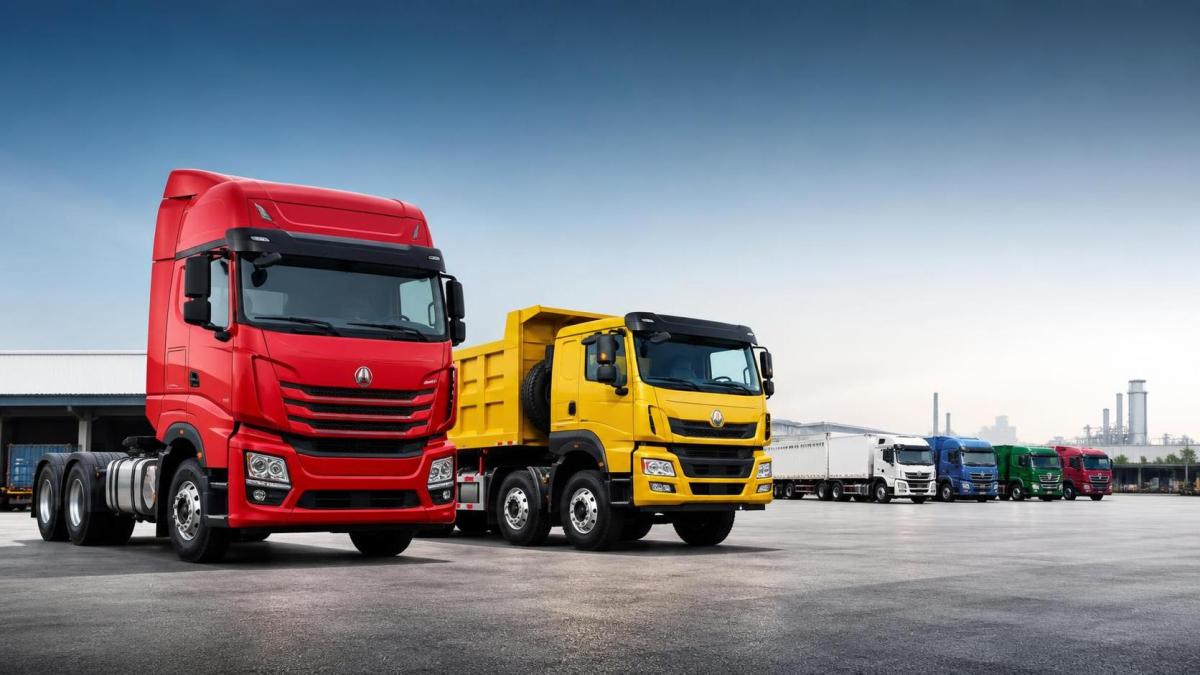
In emerging markets, truck demand rarely grows in a straight line. One region may be driven by mining and infrastructure, another by urban logistics, another by long-haul cargo with overloaded routes and inconsistent maintenance practices. A competitive brand must therefore offer more than one good model. Sinotruk’s strength is usually its breadth: tractor trucks, dump trucks, cargo trucks, mixers, and other engineering vehicle platforms that can be matched to different duty cycles. For a channel partner, that matters because it creates room to build a portfolio instead of relying on a single niche product.
Why the brand fits emerging-market realities
The first reason is adaptability. In many developing regions, road quality, axle load conditions, fuel quality, climate, and driver habits vary widely. Trucks that perform well in a tightly regulated market do not always transfer well without adjustment. Sinotruck is often considered because its configurations can usually be discussed in practical terms: drivetrain selection, cargo body matching, axle arrangement, cabin level, and spare parts planning. That flexibility is important for dealers who need to serve transport companies, contractors, and owner-operators with very different expectations.
The second reason is the balance between price and usable performance. In emerging markets, the cheapest truck is not always the easiest one to sell repeatedly. Buyers may accept a higher initial price if fuel consumption, maintenance access, or component durability is more predictable over time. At the same time, many fleets still operate under tight capital constraints. Sinotruck often attracts interest because it is commonly evaluated as a commercially realistic option rather than a premium brand priced beyond the reach of many local operators.
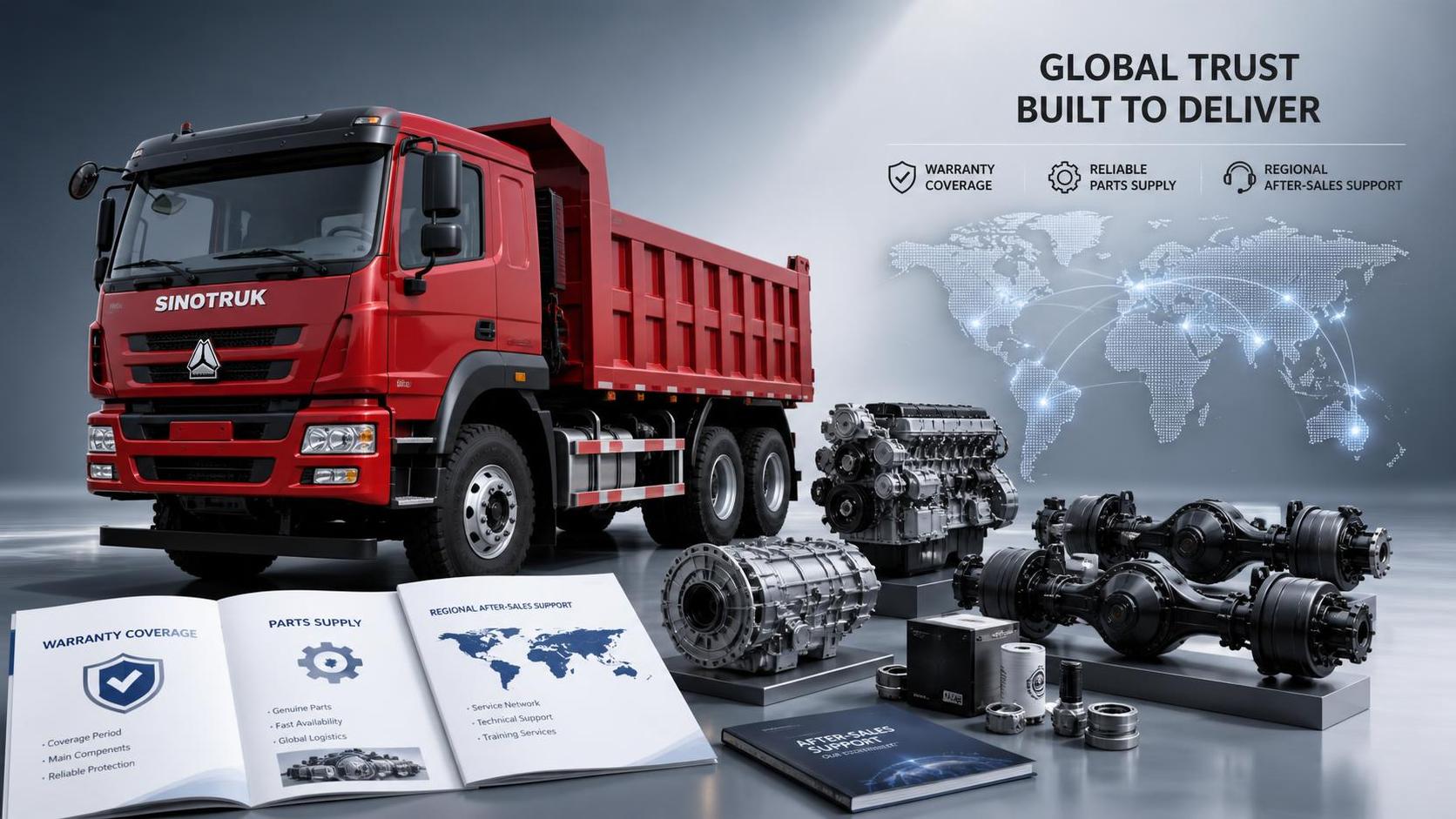
A third factor is parts availability. For distributors, after-sales support usually decides whether first orders turn into repeat business. In truck markets where vehicles work hard and service intervals are not always ideal, spare parts access is not a side issue. It is part of the product itself. Sinosea Vehicles Imp & Exp CO., LTD, established in Jinan in 2015, works across complete vehicles, engineering machines, spare parts, parts assembly, equipment, and after-market service. That kind of combined export and support background is relevant because many buyers now ask about the supply chain before they ask about paint color or cabin trim.
What distributors should examine before taking on Sinotruk
Even when a brand has clear market appeal, representation should not be decided on brand recognition alone. Three practical checks matter.
- Whether the truck specifications truly match local operating conditions, including terrain, overloading patterns, and emissions or registration requirements.
- Whether fast-moving spare parts can be stocked locally at a sensible level rather than handled only through emergency orders.
- Whether technical documentation, pre-delivery inspection, and service training are available in a way local workshops can actually use.
This is also where some partnerships struggle. A truck may sell well in the first batch but create pressure later if the distributor underestimates workshop readiness or the parts mix required for local wear conditions. In other words, Sinotruck can be competitive, but the business case depends on how well the commercial offer is localized.
A market trend worth paying attention to
Across many emerging truck markets, buyers are becoming more selective. They are no longer looking only for a truck that can be delivered; they are comparing uptime, support response, and long-term parts planning. This shift tends to favor manufacturers and export partners that can discuss the full operating package, not just FOB price. That is one reason Sinotruck remains relevant. It is often positioned in a segment where fleets can still control purchase costs while distributors build service-led differentiation.
For agents and distributors considering the brand, the key question is not whether Sinotruck is competitive in theory. It is whether the proposed configuration, parts plan, and after-sales structure fit the target market you actually serve. If those three elements line up, Sinotruck can be a practical platform for growth in construction transport, regional haulage, and infrastructure-driven demand. If they do not, even a popular truck line can become difficult to scale.
The sensible next step is to verify specifications against local road conditions, review the parts list for the first year of operation, and confirm what support is available after delivery. In emerging markets, that level of preparation usually matters more than broad claims about brand strength.
Leave A Reply