


NEWS
Categories List
In long-duration infrastructure and construction programs, vehicle reliability, operator comfort, and serviceability directly affect uptime and cost control. For project managers evaluating Sinotruck solutions, understanding the cabin and chassis features that truly matter can support better fleet planning, safer operations, and stronger lifecycle performance. This article highlights the practical design elements that help engineering vehicles stay productive across demanding project cycles.
For most project managers, the key question is not whether a truck looks capable on paper. It is whether the vehicle can stay available, safe, and economical through months or years of changing site conditions.
That is why Sinotruck cabin and chassis design matters. The right specification can reduce downtime, improve driver endurance, simplify maintenance planning, and protect total project cost over a long operating cycle.
What Project Managers Should Evaluate First
The core search intent behind Sinotruck cabin and chassis features is practical evaluation. Project leaders want to know which design details influence uptime, operating risk, driver performance, and long-term fleet value.
They are usually not looking for generic product descriptions. They need a decision framework that helps compare vehicle suitability for road building, mining support, municipal works, and large construction programs.
For that reason, the most important factors are cabin comfort, visibility, structural durability, frame strength, suspension performance, maintenance access, and adaptability to different upper-body applications and jobsite demands.
Why Cabin Comfort Matters More in Long Project Cycles
On extended projects, trucks spend long hours moving materials, equipment, and support loads. A poorly designed cabin can increase driver fatigue, reduce alertness, and eventually affect safety, productivity, and staff retention.
Sinotruck cabin layouts are valuable when they provide ergonomic seating, logical control placement, effective insulation, and climate control that can support operators through long shifts in heat, dust, rain, and uneven terrain.
For project managers, this is not just a comfort issue. Better operator conditions often lead to more consistent driving behavior, fewer avoidable incidents, and less productivity loss caused by excessive fatigue.
Cabin visibility also deserves close attention. Wide sightlines, practical mirror design, and safer blind-spot control are especially useful on crowded construction sites where trucks interact with workers, machines, and temporary traffic routes.
Chassis Strength Is Really About Lifecycle Stability
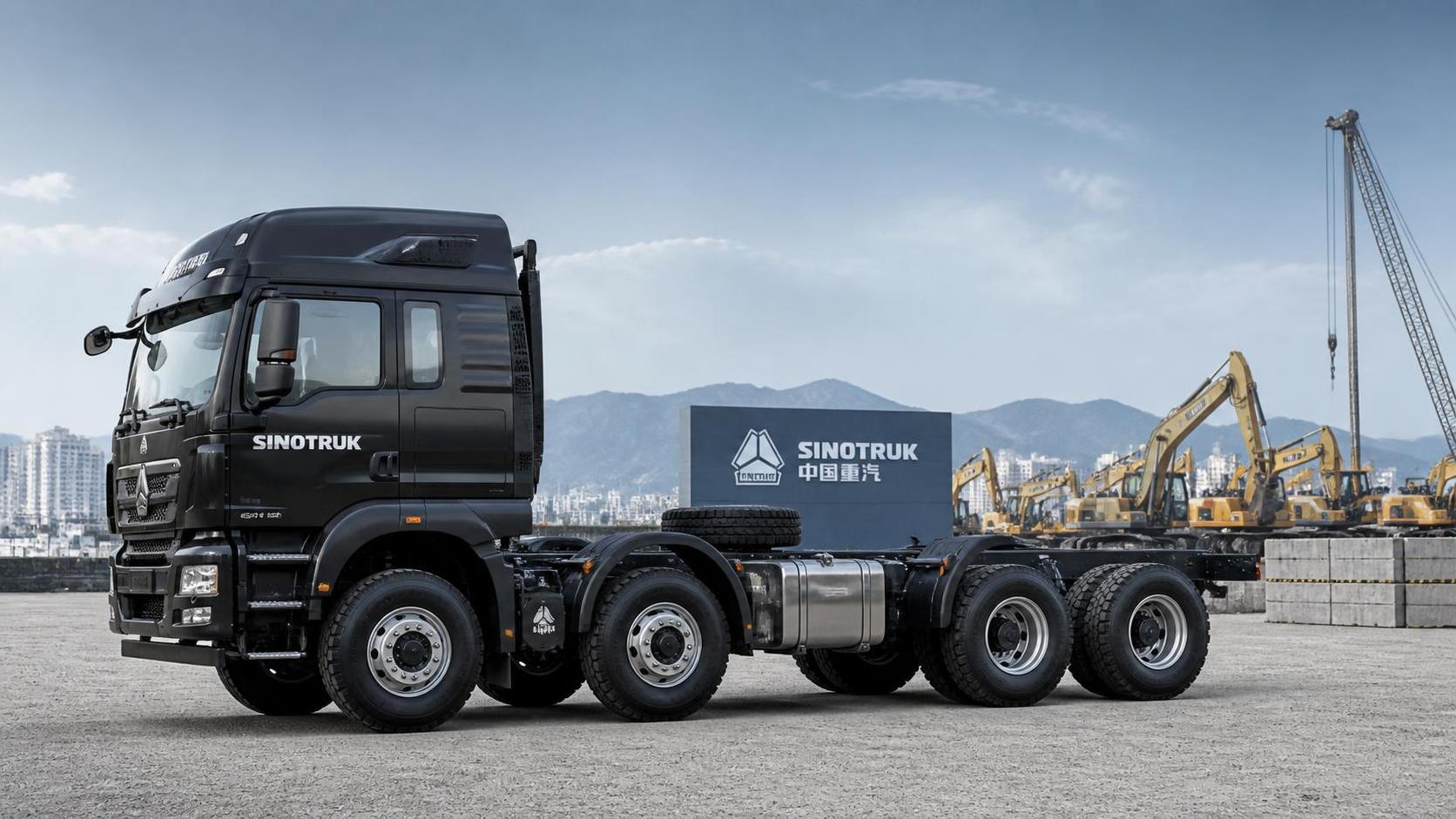
In engineering vehicle selection, chassis quality has a direct relationship with long-term stability. A strong frame helps the truck handle repeated loading cycles, rough access roads, and shifting weight conditions without early structural stress.
Project managers should pay attention to frame construction, axle matching, suspension configuration, and load distribution capability. These elements shape how well a Sinotruck vehicle performs when work intensity remains high for long periods.
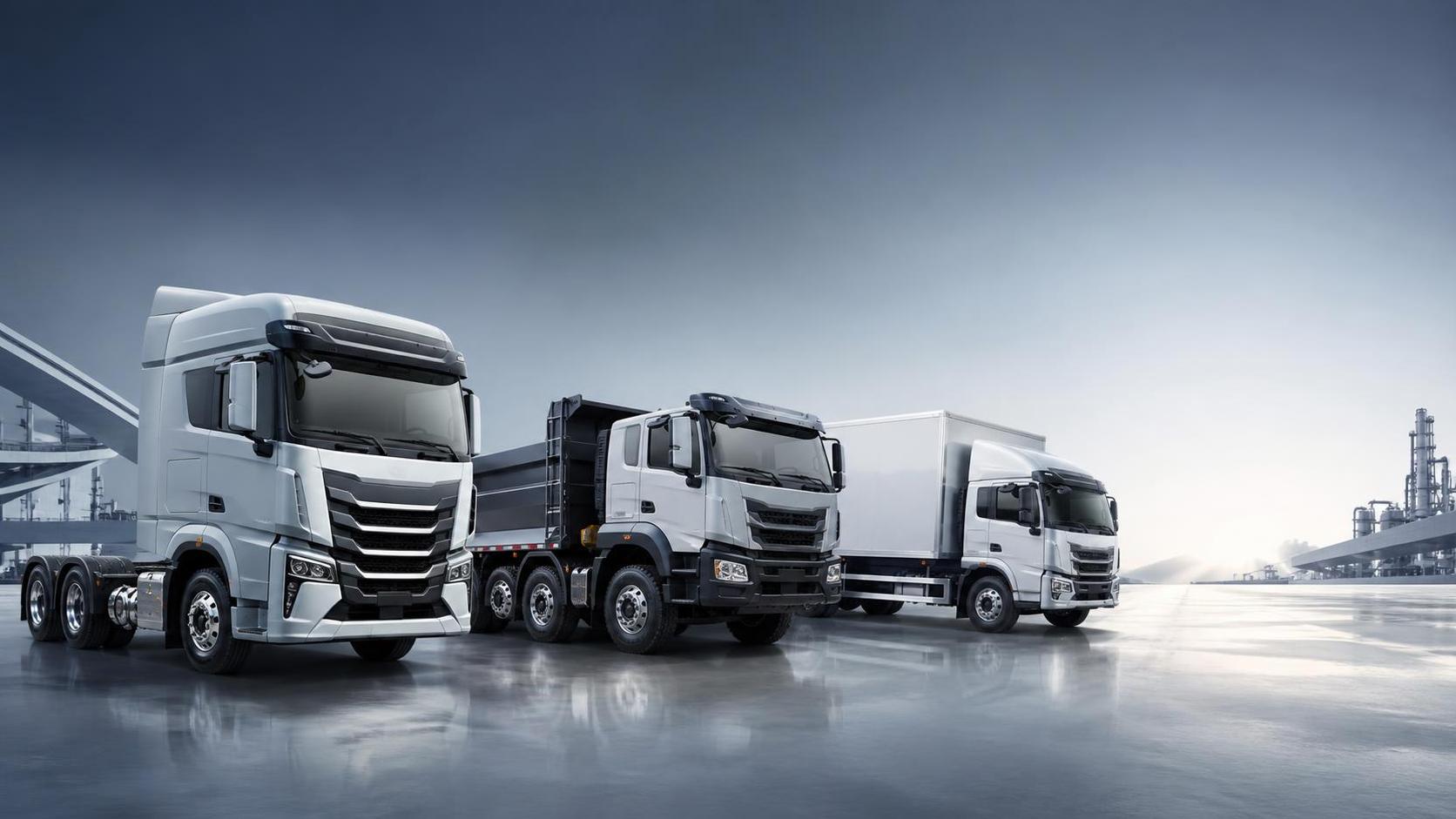
A suitable chassis also improves compatibility with different operational tasks. Dump bodies, mixers, cargo structures, and special engineering applications all place different demands on the base vehicle platform and support systems.
When the chassis is properly selected, the result is usually better durability, more predictable maintenance scheduling, and lower risk of disruption during critical project phases where transport continuity cannot be compromised.
Serviceability Has a Direct Impact on Uptime
In long project cycles, maintenance convenience often becomes more important than headline specifications. Vehicles that are easier to inspect, service, and repair tend to spend less time out of operation.
For this reason, project teams should assess how accessible key service points are. Engine access, filter replacement space, electrical layout clarity, and spare parts support all influence maintenance efficiency in the field.
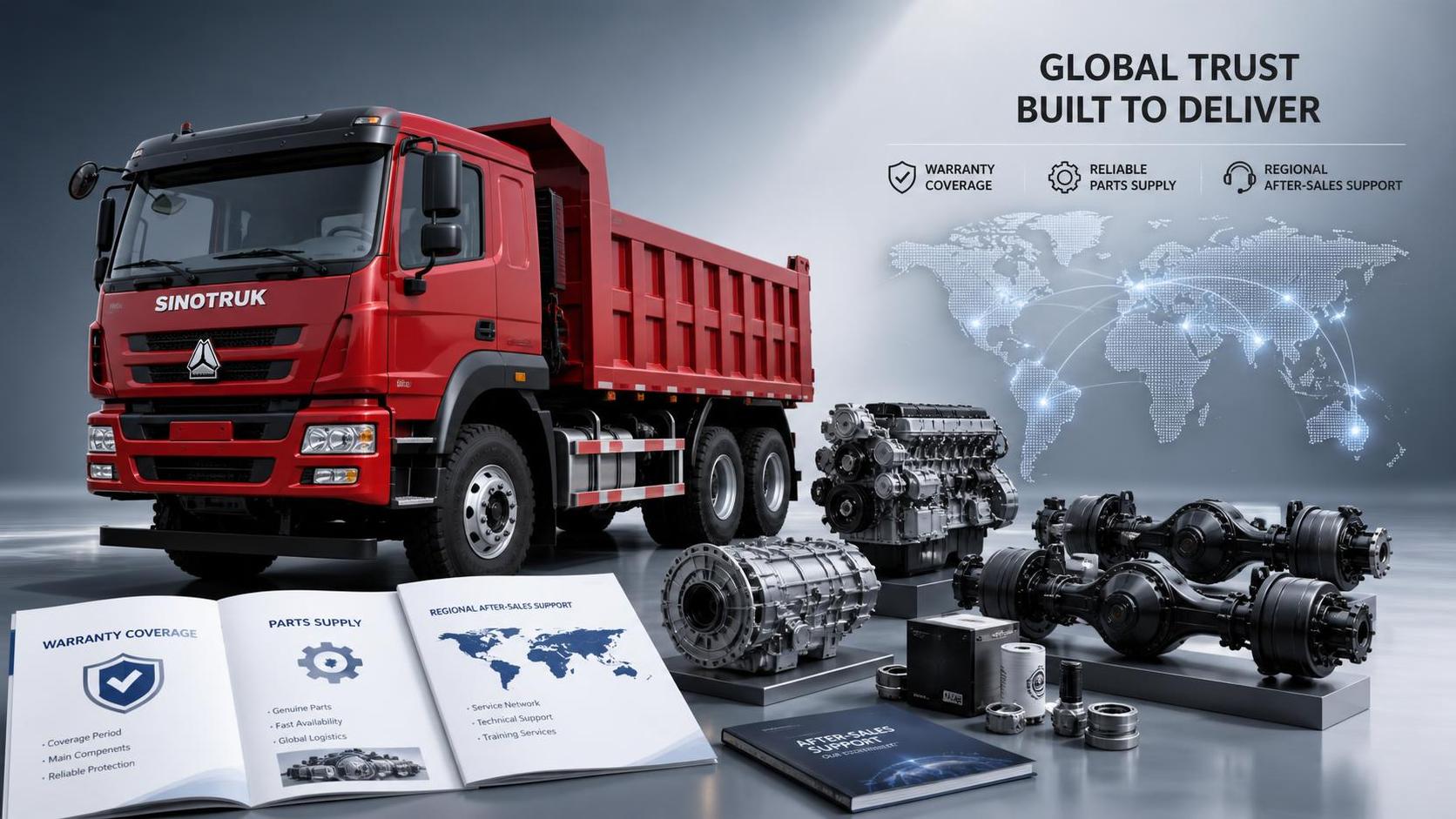
Sinotruck vehicles can create value when they are supported by a practical parts supply plan and responsive after-sales service. This is especially important for remote projects where every delay can affect schedule commitments.
From a management perspective, serviceability lowers indirect costs as well. It reduces workshop bottlenecks, improves preventive maintenance execution, and supports better control over fleet availability across the project lifecycle.
How Cabin and Chassis Choices Affect Cost Control
Many buyers focus first on acquisition price, but project managers usually need a broader view. The real cost question is how cabin and chassis features influence productivity, repairs, fuel use, and operational interruptions over time.
A durable chassis may prevent premature failures under heavy duty conditions. A well-designed cabin may improve operator efficiency and reduce fatigue-related disruption. Together, these factors contribute to more stable lifecycle economics.
This is where Sinotruck evaluation should become scenario-based. Managers should compare vehicle specification against actual haul distance, terrain quality, overloading risk, operating hours, climate exposure, and site service conditions.
That method creates a more useful purchasing decision than relying on brochure claims alone. It also helps procurement teams explain why a better-matched truck can produce stronger return on investment over the full project period.
What Makes a Sinotruck Configuration Suitable for Your Project
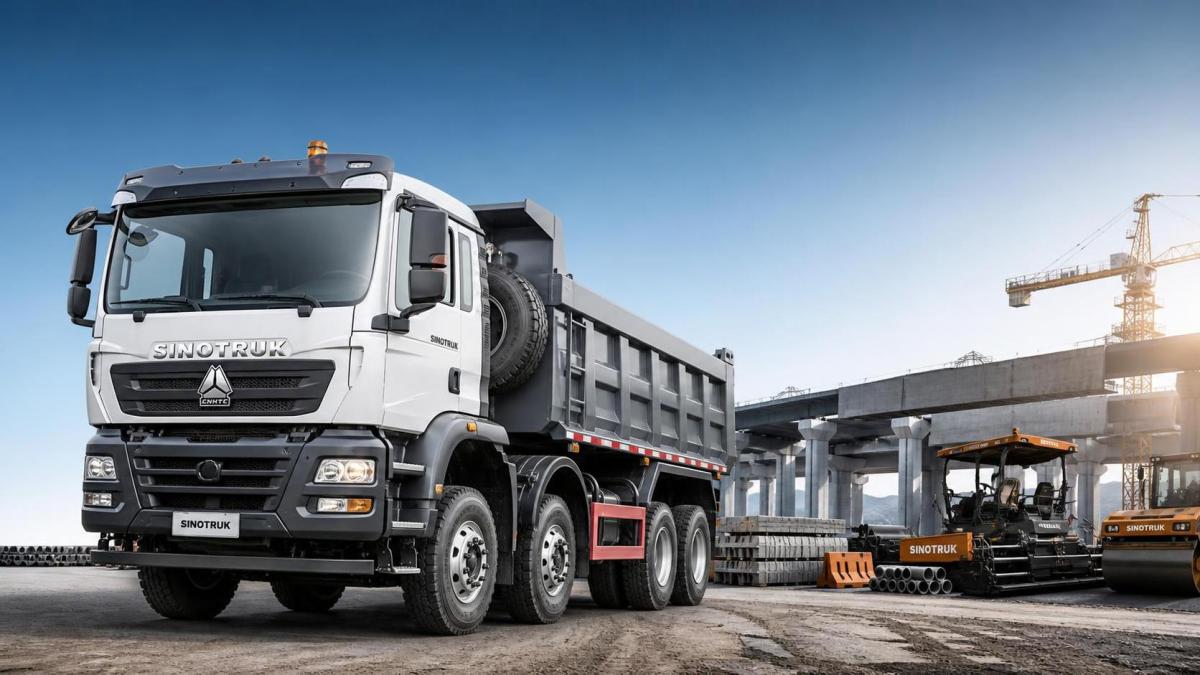
The best Sinotruck option depends on the project environment, not just the model name. Highway-linked infrastructure jobs may prioritize efficiency and comfort, while quarry, earthwork, or remote access operations demand stronger chassis resilience.
Project managers should ask whether the vehicle can maintain performance under their actual load profile and site pattern. They should also review driver usage, service support range, and body configuration requirements before procurement.
It is also wise to involve operations, maintenance, and procurement teams in the assessment. Cabin comfort, chassis strength, and parts support affect each department differently, and a cross-functional review improves decision quality.
For companies working with export suppliers such as Sinosea Vehicles Imp & Exp CO., LTD, practical coordination on complete vehicles, spare parts, assemblies, and after-sales service can further strengthen long-cycle fleet planning.
Conclusion
In long project cycles, the Sinotruck features that matter most are the ones that keep vehicles productive over time. Cabin comfort supports safer, steadier operation, while chassis strength supports durability under heavy and repeated use.
For project managers, the right evaluation standard is simple: choose the specification that protects uptime, simplifies service, controls lifecycle cost, and fits the real site environment. That is where vehicle value becomes operational value.
Leave A Reply