


NEWS
Categories List
What reliability really means in a mine or quarry
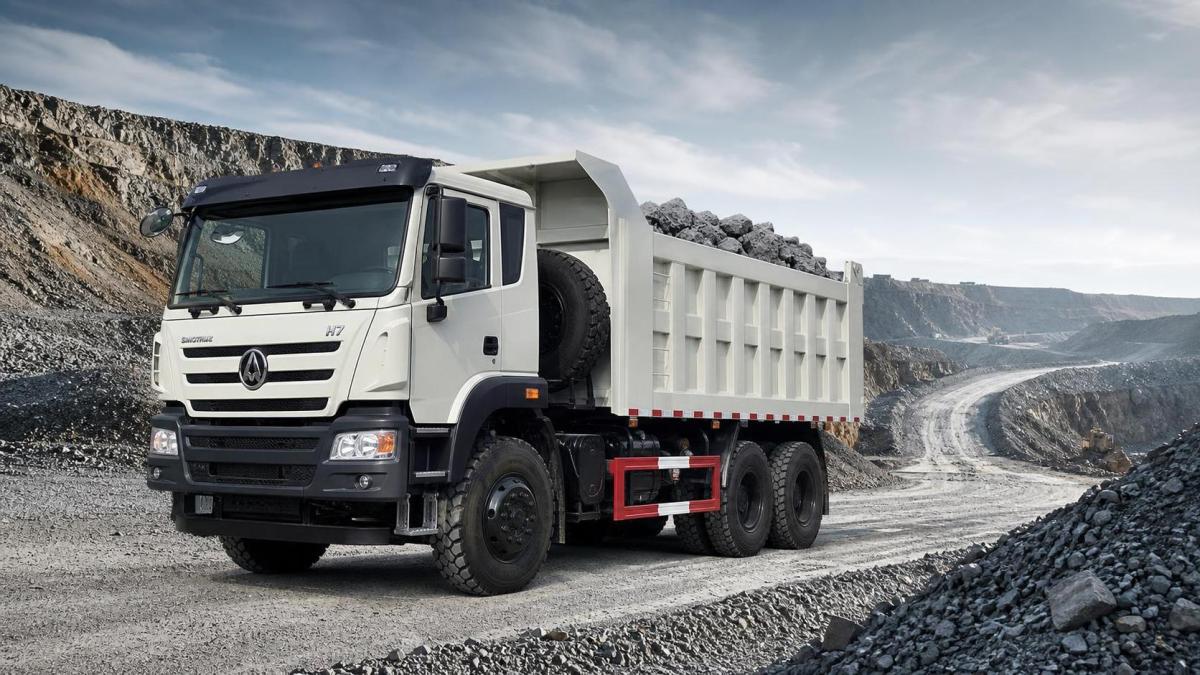
For mining and quarry work, truck reliability is not just about whether the engine starts every morning. It is about whether the unit can keep moving under overload risk, rough haul roads, long idle hours, abrasive dust, and repeated braking on gradients. A truck that looks fine on paper can still become expensive if it burns through suspension parts, struggles with cooling, or sits waiting for basic service items.
That is why evaluating a Sinotruck for this kind of work should go beyond brochure specifications. Payload match, drivetrain durability, frame strength, service access, and local spare parts support matter more than a headline horsepower figure.
Start with the job, not the truck
A common mistake is to ask whether Sinotruck is “reliable” in general. In practice, reliability depends heavily on the application. A truck hauling broken stone on short internal quarry routes faces different stress than one moving ore on a longer mixed road cycle. Before comparing models, define the operating profile clearly:
- Average payload and how often overloading happens
- Haul road condition: sharp rock, washboard surfaces, mud, steep ramps
- Daily working hours and idle time
- Ambient temperature and dust level
- Maintenance capability on site
Once those conditions are clear, it becomes easier to judge whether the axle rating, suspension setup, cooling package, and transmission choice are suitable. A truck that performs well in urban construction may not hold up in a quarry with constant off-road vibration.
Focus on the components that usually decide uptime
When people talk about truck reliability, they often jump straight to the engine. That matters, but in quarry service the weak points are often elsewhere. Pay close attention to the frame, suspension, axles, braking system, and cooling system. Repeated impact loading can expose design limitations very quickly.
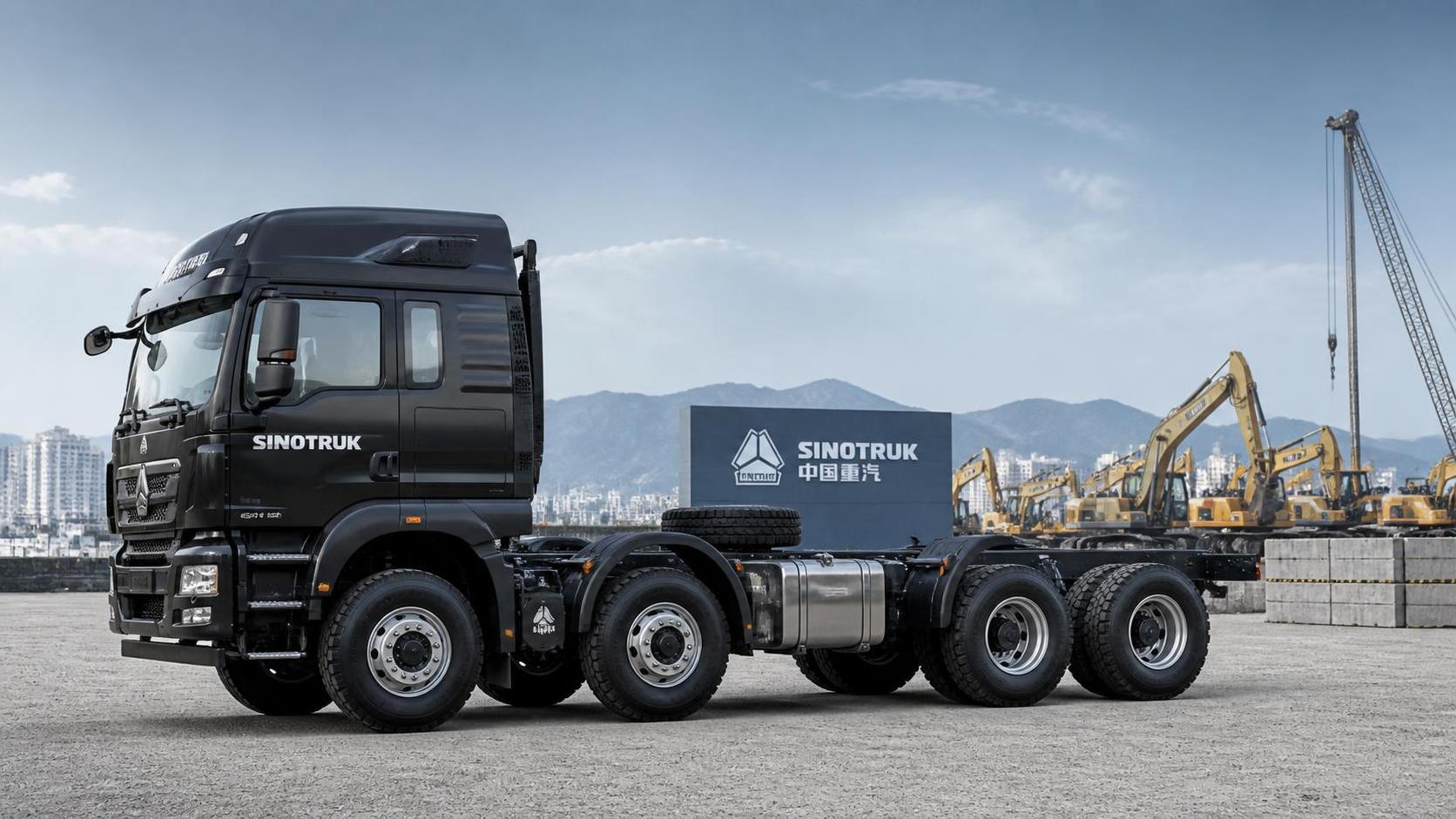
For a Sinotruck chassis, ask for the exact configuration rather than relying on the brand name alone. Different axle capacities, gearbox options, and suspension types can lead to very different field results. It is also worth checking how easy it is to inspect and replace wear parts. A mechanically simple truck is often easier to keep productive in remote sites than a more complex unit with limited diagnostic support.
Look at durability under real loading habits
In many quarry operations, the official payload is only part of the story. Trucks may be loaded unevenly, overloaded occasionally, or run on poor roads that transfer shock back into the chassis. So the right question is not only “What is the rated capacity?” but also “How much abuse can this specification tolerate before maintenance costs climb?”
This is where practical supplier discussion matters. A company involved in complete vehicle export, spare parts supply, parts assembly, equipment support, and after-sales coordination, such as Sinosea Vehicles Imp & Exp CO., LTD in Jinan, can often help buyers compare configurations from an operating perspective rather than just a sales sheet. That does not replace site verification, but it can help narrow down which setup is more realistic for hard-duty use.
Parts availability can make or break reliability
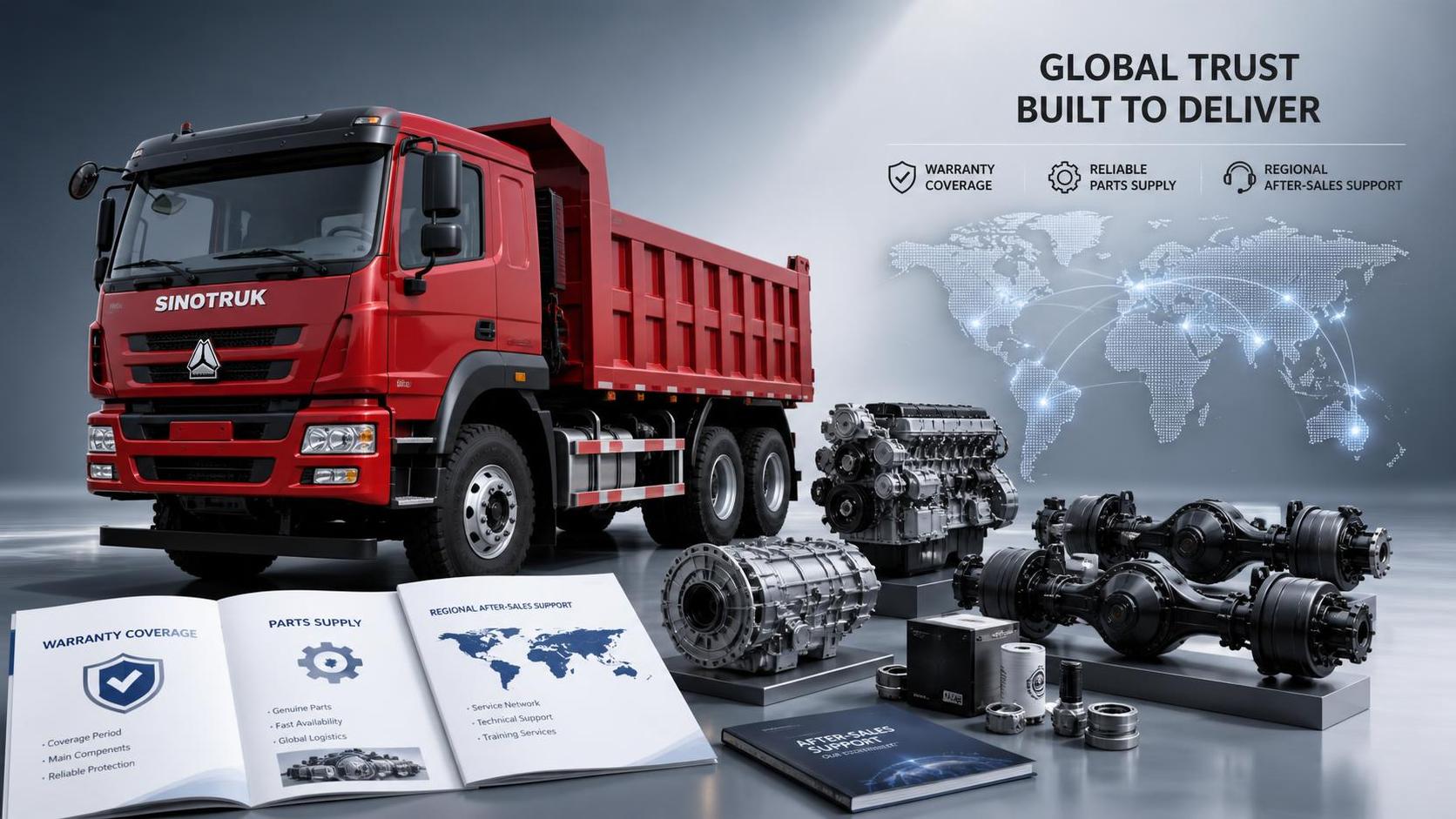
A truck is only as reliable as your ability to keep it running. In mining and quarry work, consumables and common repair items move fast. Filters, brake components, suspension bushings, seals, clutch parts, and electrical items need to be available without long delays. Even a solid Sinotruck platform can become a problem if the local support chain is weak.
Ask a few unglamorous questions before buying. Which parts are stocked locally? Which have to be imported? What is the realistic lead time for axle or gearbox components? Is technical guidance available if your workshop runs into repeated faults? These details are usually more valuable than a polished pitch.
Watch the maintenance reality, not just service intervals
On harsh sites, maintenance intervals on paper can become less relevant than maintenance accessibility. Dusty environments increase the importance of filtration. Stop-start cycles affect brakes and driveline wear. If cooling packs clog easily or service points are awkward to reach, preventive maintenance tends to slip, and reliability drops with it.
A good evaluation step is to review the truck with your own maintenance team. Let them inspect access to filters, greasing points, brake lines, electrical harness routing, and underbody protection. Workshop feedback is often more honest than a purchasing checklist.
A practical way to make the decision
If you are shortlisting a Sinotruck for mining or quarry duty, build the decision around three things: correct specification for the route, support for wear parts, and maintainability under site conditions. If possible, compare not only purchase price but also expected downtime exposure. A cheaper truck that waits weeks for critical parts is rarely the cheaper truck in operation.
Sinotruck can be a workable choice for heavy-duty projects, but reliability should be judged at configuration level and support level, not brand level alone. Before placing an order, confirm the actual axle, gearbox, suspension, and service support package against your haul profile. That is usually where a confident purchase decision becomes a risky one, or a sound one.
Leave A Reply