


NEWS
Categories List
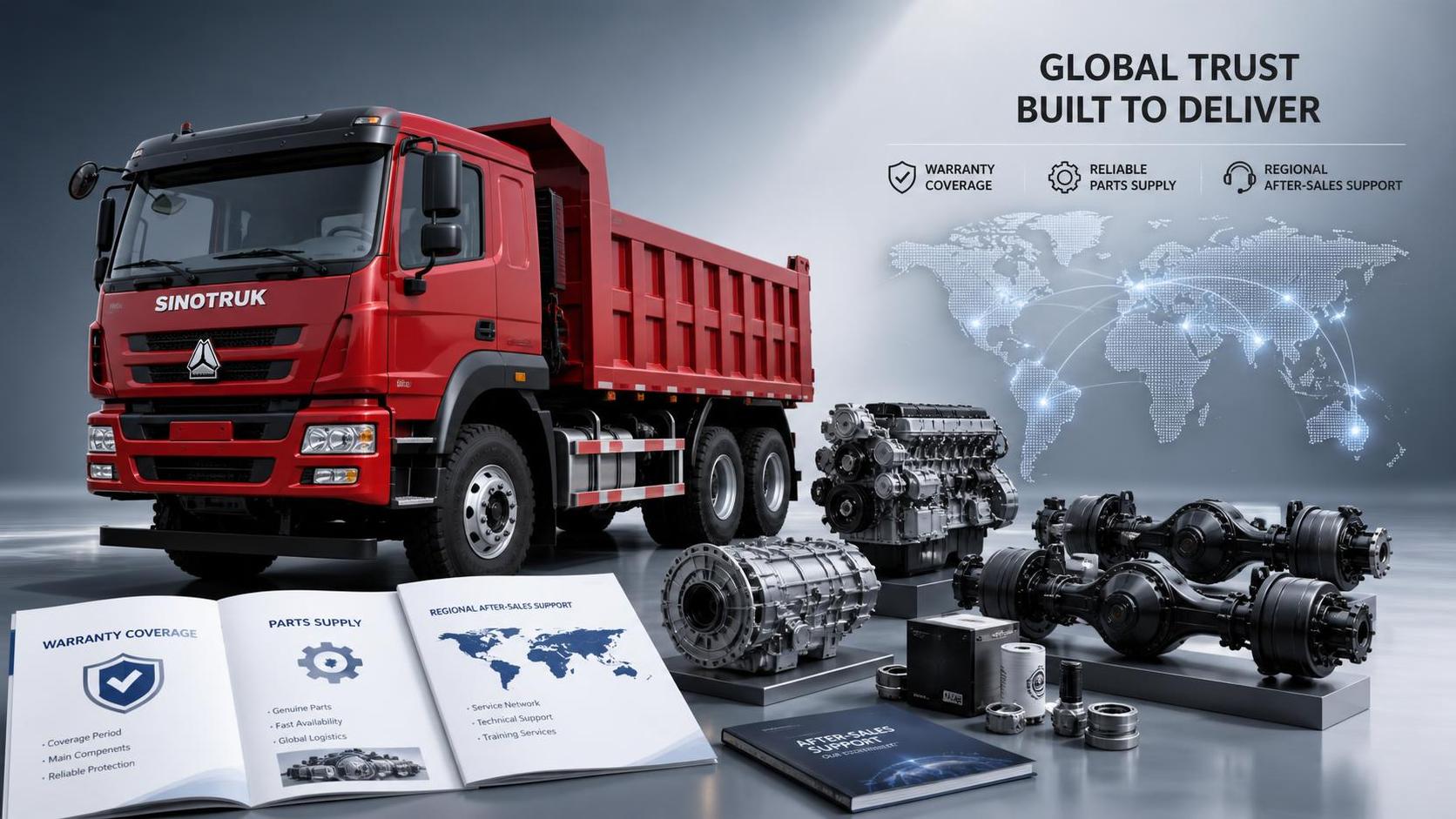
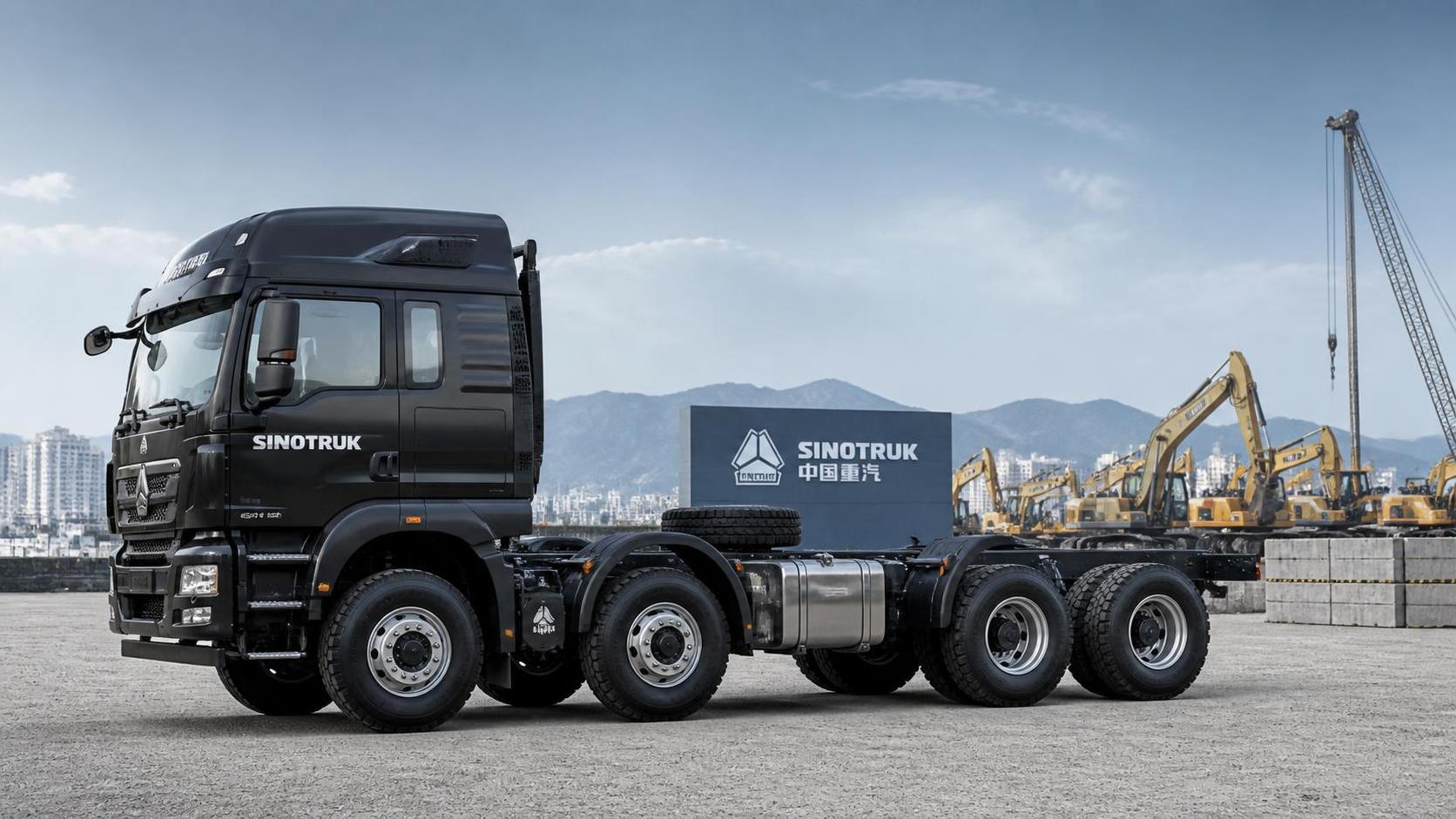
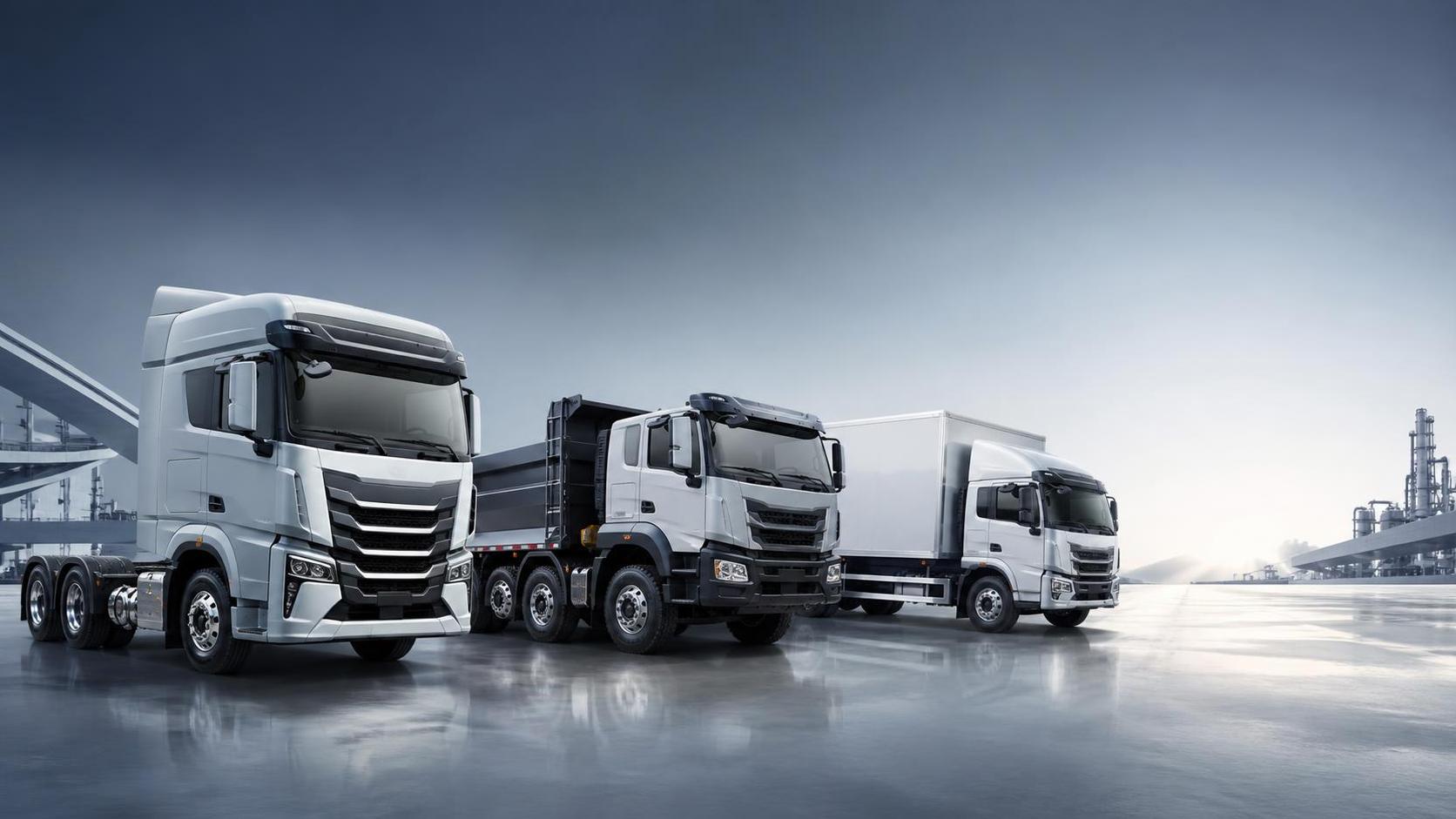
Sinotruck Euro Emission Standards Explained for Export Market Planning
For companies building an overseas truck portfolio, emission level is not a small specification buried in a brochure. With Sinotruck, the Euro standard often determines where a vehicle can be registered, what fuel and aftertreatment support it will need, how easy it will be to maintain in the field, and whether the product will still be commercially viable a few years after delivery.
That is why export planning should start with a simple question: what does the destination market actually require today, and what is it likely to require during the service life of the truck? A low entry price can quickly lose its appeal if the unit cannot clear import compliance, or if local operators struggle with parts, diagnostics, or fuel quality.
What “Euro” means in real export decisions
Euro emission standards are regulatory limits for pollutants from diesel engines, including nitrogen oxides and particulate matter. In export practice, buyers usually look at Euro II, III, IV, V, or VI configurations depending on the target country, the age policy for imported trucks, and whether the units are intended for public-road logistics, construction haulage, mining support, or special municipal work.
The commercial difference between these levels is not only about “cleaner” or “less clean.” Higher standards usually bring more complex engine calibration and aftertreatment systems. That can mean better acceptance in stricter markets, but also greater dependence on proper diesel quality, urea supply where SCR systems are involved, and technicians who can handle fault diagnosis correctly.
In other words, the best-fit Sinotruck model is rarely the one with the highest label on paper. It is the one that matches local regulation and operating conditions without creating avoidable service problems.
Why the same truck strategy does not work across all markets
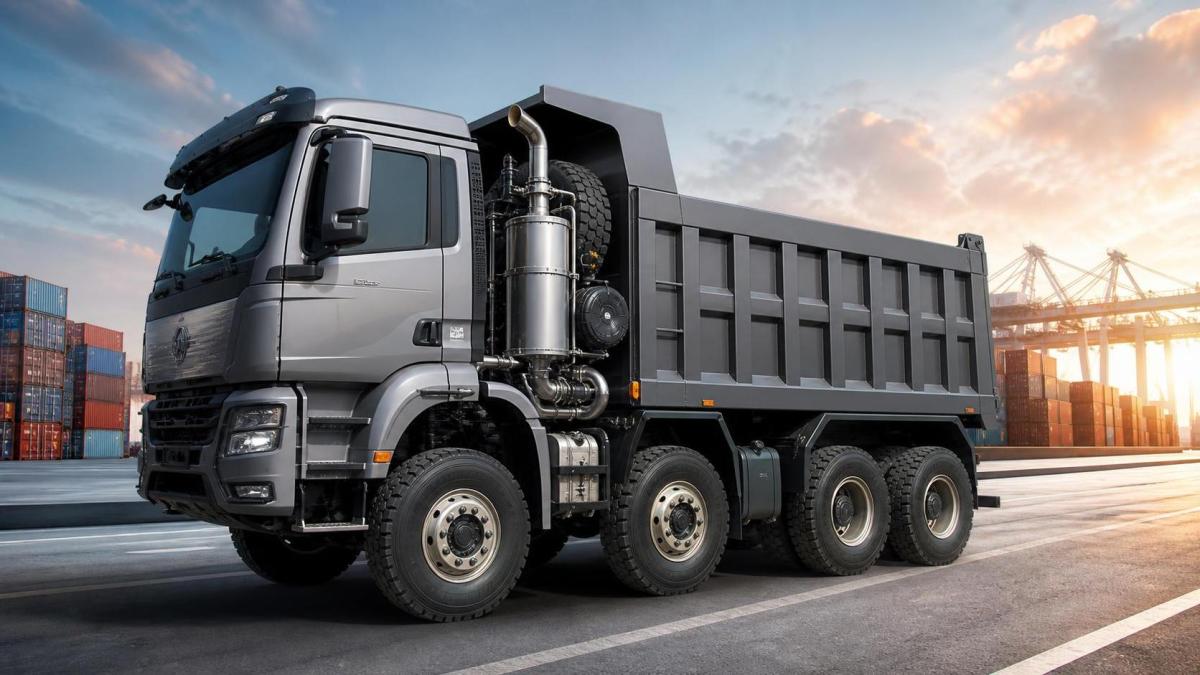
A dealer serving a city logistics market faces a different reality from an agent supplying tipper trucks to infrastructure projects. Urban fleets may need tighter emission compliance because registration and environmental inspection are stricter. Construction and engineering vehicle buyers, on the other hand, may focus more on durability, fuel adaptability, and uptime under heavy load.
That is where market mapping matters. Some countries accept lower Euro levels for certain vehicle categories, some align more closely with European-style enforcement, and some have rules on paper that are interpreted differently at customs, registration, or tender stage. This part should always be verified against current local requirements rather than assumed from regional habit.
A practical way to compare Euro configurations
This comparison is deliberately broad, because the exact engine route, aftertreatment package, and homologation details depend on model and destination. Still, it reflects a common export reality: compliance and operability have to be balanced together, not separately.
Where distributors usually get into trouble
One common mistake is treating emission grade as a sales-line item instead of a project requirement. A truck can be technically available in a certain Euro version, but the delivered configuration may still need confirmation on engine family, documentation, destination-country acceptance, and any chassis-body integration that affects approval.
Another issue is underestimating the aftermarket side. If a Sinotruck unit enters a market with limited access to spare parts, trained service staff, or the correct consumables, the problem is not theoretical. It shows up as downtime, fault codes, delayed handover, and customer frustration. This is especially relevant for engineering vehicles that work under heavy duty cycles and cannot afford long immobilization.
Companies involved in both vehicle export and support tend to see this earlier. Sinosea Vehicles Imp & Exp CO., LTD, based in Ji’nan and active since 2015, works across complete vehicles, engineering machinery, spare parts, parts assembly, equipment, and after-sales service. That kind of supply-chain view is useful because emission compliance does not end at shipment; it continues into maintenance planning and replacement parts availability.
How to plan the right Sinotruck mix
If you are building stock or quoting for a tender, it helps to check five things before locking the vehicle spec: the current import rule, registration requirement, fuel quality in the operating area, service capability on the ground, and the customer’s expected asset life. A truck intended for short-cycle project use may justify a different choice from one entering a fleet expected to operate for many years under rising environmental scrutiny.
For many export businesses, the smart move is not to standardize everything at one Euro level. It is to build a controlled model mix around actual country demand, with documentation and parts planning aligned from the start. That approach usually reduces avoidable risk more effectively than chasing the lowest upfront configuration.
Before confirming any Sinotruck order for export, it is worth reviewing the exact destination standard, truck application, and support package together. On emission matters, small specification gaps tend to become large commercial problems later.
Leave A Reply