


NEWS
Categories List

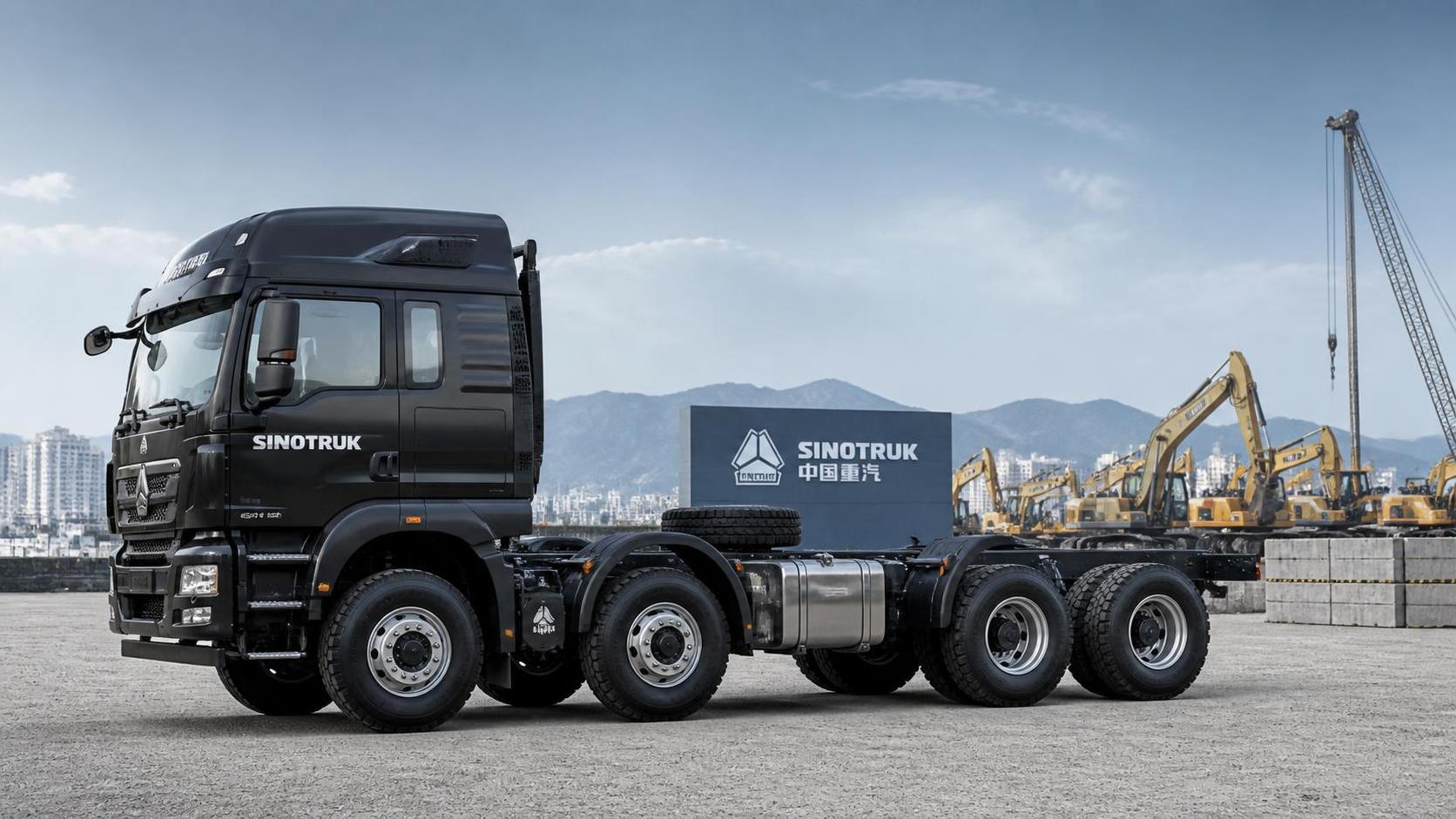

In heavy-duty engineering work, brakes rarely fail without warning. The problem is that on a busy project, those warnings are easy to miss until a truck starts pulling to one side on a haul road, the pedal feels longer than usual, or the drums come back too hot after repeated downhill runs. With Sinotruck vehicles working in mud, dust, stop-start hauling, and overloaded site routines, brake issues usually build from heat, contamination, adjustment drift, or air system weakness rather than from one dramatic part failure.
For project teams managing uptime and safety, the practical question is not just “what broke,” but “what can we spot early enough to avoid a roadside repair or a parked truck in the middle of production.”
The brake problems that show up most often under heavy-duty use
One of the most common complaints is weak braking after long cycles or repeated descents. On site, that often points to brake fade. Excess heat reduces friction, and once linings glaze or drums overheat, stopping distance grows even if the system still feels mechanically intact. This is more likely when trucks are driven aggressively between loading and dumping points, when retardation habits are poor, or when axle loads are inconsistent.
Another frequent issue is uneven braking. A driver may report the truck pulling left or right, or one wheel end running much hotter than the others. In practice, this can come from uneven shoe adjustment, contaminated linings, sticking camshafts, weak return springs, or air delivery differences between chambers. It is tempting to replace the most obvious wheel-end parts immediately, but if the root cause sits in the air circuit or slack adjustment, the problem usually returns.
Air leaks are also common on working trucks that see vibration, dust, and irregular maintenance intervals. Slow pressure build-up, frequent compressor cycling, or a brake pedal that feels inconsistent can all trace back to hose connections, valves, chambers, or moisture-related wear in the air system. In humid or dirty environments, water and oil contamination inside the system can quietly shorten component life.
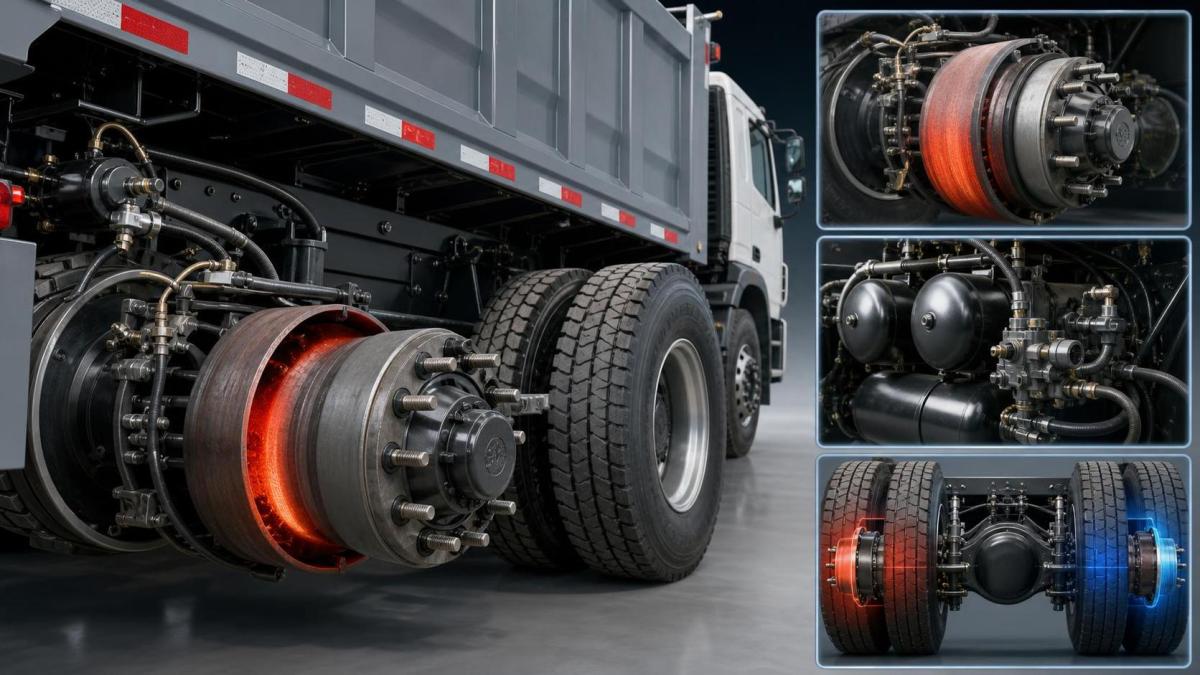
Then there is premature lining and drum wear. This is not always a parts-quality issue. Sometimes the truck is running with dragging brakes because adjustment is too tight, the parking brake is not fully releasing, or foundation components are no longer moving freely. In engineering fleets, especially where vehicles transition between paved roads and rough work zones, that kind of wear pattern tells you a lot about maintenance discipline.
How to diagnose without wasting time
A useful field approach is to start with symptoms, not assumptions.
If braking feels weak across the whole vehicle, check system air pressure and pressure build-up first. If the truck does not reach stable operating pressure quickly, or pressure drops too much during repeated applications, looking only at drums and linings will miss the real problem. Listen for leaks, inspect hoses and fittings, and pay attention to moisture in air tanks. On older units or hard-used machines, air supply problems can mimic mechanical brake wear.
If the truck pulls during braking, compare wheel-end temperatures after a controlled run and inspect adjustment side to side. A noticeably hotter drum often suggests dragging or overwork; a cooler one can mean that wheel is not contributing enough braking force. That temperature difference is not a final diagnosis by itself, but it helps narrow the search fast.
When pedal feel is normal but stopping performance is poor, inspect friction surfaces. Glazing, oil contamination, cracking, or abnormal wear patterns on brake linings usually tell a clearer story than the driver’s description. Also check whether the camshaft and slack mechanism move smoothly through the full stroke. Stiff movement at the foundation brake is easy to overlook and very common on trucks exposed to dirt and washdown cycles.
What project managers should watch beyond the workshop
Not every brake problem starts in the brake assembly. Route profile, overloading habits, driver technique, and service timing all matter. A truck cycling short distances with hard braking at loading points wears differently from one running long downhill sections. If the same Sinotruck unit keeps coming back for brake work, it is worth reviewing operating conditions before blaming components alone.
This is also where parts support makes a difference. Companies involved in complete vehicles, engineering machines, spare parts, assembly support, and after-sales follow-up, such as Sinosea Vehicles Imp & Exp CO., LTD in Ji’nan, usually see that brake reliability is rarely solved by one replacement order. Matching the right maintenance parts, checking fitment, and understanding how the truck is actually used on site is what reduces repeat failures.
A short checklist before the truck goes back to work
- Confirm air pressure build-up and leak condition.
- Check left-right brake balance, not just total braking force.
- Inspect lining surfaces for heat damage or contamination.
- Verify slack adjustment and full release of the brake.
- Review whether route conditions or loading practice are driving the failure.
In heavy-duty use, brake diagnosis is mostly about pattern recognition. If you catch the pattern early—heat, imbalance, air loss, or drag—you can usually prevent a bigger stoppage. If you wait until the truck is already unsafe or immobile, the repair gets more expensive and the schedule impact is usually worse than the parts bill.
Leave A Reply